

Why Winter Coat Fabric Care Matters More Than You Think
Winter brings crisp weather and the need for warm, luxurious clothing—but it also brings challenges for fabric care. Your prized wool coats, cashmere sweaters, and winter jackets face unique threats during the colder months: salt stains from sidewalks, moisture accumulation, dust mites in storage, and wear from constant use. Most homeowners don’t realize that improper winter coat fabric care can permanently damage fibers, reduce garment lifespan, and lead to expensive replacements.
The truth? What you do—and don’t do—between wears is just as important as professional cleaning. This guide reveals insider secrets that premium dry cleaning professionals use to keep luxury fabrics pristine, plus actionable tips you can implement immediately at home.
The Complete Guide to Winter Coat Fabric Care at Home
Caring for winter coats requires understanding fabric composition and the specific vulnerabilities of each material. Whether you own wool, cashmere, or synthetic blends, the foundation of proper care is consistent, gentle maintenance throughout the season.
Storage Secrets: Preparing Coats for Seasonal Wear
How you store winter coats during off-season months determines their condition when you need them again. Most people make critical mistakes that invite moths, mildew, and fiber degradation.
- Never use plastic bags. Plastic traps moisture and prevents fabric from breathing, creating an environment for mold and mildew growth. Instead, use breathable garment bags made from cotton muslin or linen.
- Clean before storage. Even invisible dust and body oils attract insects. Have coats professionally cleaned or spot-treated before storing them away for months.
- Use cedar blocks or lavender sachets. These natural moth deterrents are far safer than chemical mothballs, which can permanently damage delicate fibers and leave strong odors.
- Store in cool, dry spaces. Attics, basements, and humid closets are death traps for winter fabrics. Choose climate-controlled closets away from direct sunlight, which can fade and weaken fibers over time.
- Hang, don’t fold. Folding creates permanent creases and stress on fabric fibers. Use padded hangers that won’t create indentations on shoulders.
Spot Cleaning Between Professional Cleanings
Winter means inevitable spills: coffee, wine, salt stains, and mud splashes. How you handle these accidents can mean the difference between a minor blemish and permanent damage.
- Blot, never rub. Rubbing spreads stains deeper into fibers. Use a clean, white cloth and gently blot away excess moisture immediately.
- Identify the stain type. Grease stains require different treatment than water-based or protein stains. Using the wrong technique can set stains permanently.
- Test first. Always test any cleaning solution on an inconspicuous area of the coat. Wool and cashmere are sensitive to harsh chemicals and temperature changes.
- Use distilled water for salt stains. Salt accumulates on winter coats from sidewalks and roads. Mix equal parts white vinegar and distilled water, dampen a cloth, and gently dab affected areas.
- Don’t wait. Fresh stains are exponentially easier to remove than set-in ones. Address spills within 24 hours whenever possible.
Brushing and Maintenance Techniques
Regular brushing removes surface dirt, dust, and loose fibers while maintaining fabric appearance and integrity.
- Use a soft-bristled brush. Stiff brushes damage delicate winter fabrics. Invest in a quality clothes brush specifically designed for wool and cashmere.
- Brush in one direction. Brush gently downward along the nap of the fabric to remove pilling and surface debris without creating fuzzy areas.
- Brush after each wear. This simple habit prevents dirt accumulation and extends the time between professional cleanings, saving you money on dry cleaning near you.
- Address pilling immediately. Small fabric balls (pills) form when loose fibers tangle. Use a sweater comb or pill remover—never pull them off with your fingers, which can damage surrounding fibers.
Cashmere Care: What Dry Cleaners Know (And Won’t Always Tell You)
Cashmere is a luxury fiber requiring specialized knowledge. Most people send cashmere to dry cleaners unnecessarily, which is actually one of the secrets the industry doesn’t widely advertise. Here’s what professionals know:
The Truth About Cashmere Washing
Contrary to popular belief, cashmere doesn’t always require dry cleaning. High-quality cashmere can be hand-washed at home using specific methods—and many dry cleaning processes can actually damage the fibers over time.
- Hand-wash in lukewarm water. Use a gentle baby shampoo or specialized wool wash. Water temperature should be between 65-75°F to prevent fiber shock and shrinkage.
- Soak gently, don’t agitate. Submerge the garment for 10-15 minutes, squeezing soapy water through fibers gently. Never scrub, wring, or use a washing machine, which destroys the delicate structure of cashmere.
- Rinse with cold water multiple times. Continue rinsing until water runs completely clear. Soap residue attracts dirt and can make fibers feel stiff.
- Press out moisture with towels. Roll the wet garment in clean towels to remove excess water. Never hang wet cashmere, which causes stretching.
- Lay flat to dry. Place the cashmere on a clean, dry towel in a warm room away from direct heat or sunlight. Turn the garment occasionally to ensure even drying.
Preventing Pilling and Damage
Pilling is the most common cashmere complaint, but it’s preventable with proper care and storage techniques.
- Limit washing frequency. Cashmere doesn’t need frequent washing. Spot-clean stains and wash only when necessary—typically 2-4 times per season for regular wear.
- Store folded, not hung. Unlike wool coats, cashmere should be folded to prevent stretching. Use acid-free tissue paper between folds to prevent creasing.
- Avoid friction. Pilling occurs when fibers rub against rough surfaces, seat belts, or bags. Wear cashmere under jackets when possible, and store away from rough textures.
- Use anti-pilling products cautiously. While anti-pilling sprays exist, they can leave residue. Prevention through careful handling is more effective than treatment.
Wool Coat Maintenance: Common Mistakes to Avoid
Wool is durable yet delicate—it requires understanding to maintain properly. Winter coat fabric care for wool specifically demands attention to moisture, heat, and chemical exposure.
- Never dry clean wool excessively. While dry cleaning is appropriate for winter coats, excessive dry cleaning weakens fibers over time. Spot-treat minor issues and save professional cleaning for seasonal transitions.
- Avoid heat and humidity spikes. Wet wool can shrink permanently if exposed to heat while drying. Never put wool coats near radiators, heat vents, or in direct sunlight immediately after getting wet.
- Don’t over-wash. Wool naturally resists odors due to lanolin (natural oils). Wear coats multiple times between washings. Most wool coats only need professional cleaning 1-2 times per season.
- Beware of water spots. Hard water can leave mineral deposits on wool. If your coat gets caught in rain, dry it flat at room temperature. If spots appear, a professional can remove them.
- Check for insects regularly. Small holes indicate moth damage. Catch infestations early by inspecting stored coats monthly, and consider professional moth treatment if needed.
When DIY Care Isn’t Enough: Professional Dry Cleaning Benefits
While home care extends garment life, professional dry cleaning serves purposes that DIY methods cannot. Find a laundromat near me or full-service cleaner for these specialized treatments.
- Professional stain removal. Set-in stains, delicate fabrics, and specialty materials require trained technicians with access to specialized solvents and equipment.
- Fiber restoration. Professional cleaning can restore shape, color vibrancy, and soft texture that home washing cannot achieve.
- Moth and pest treatment. If infestation is suspected, professional cleaners can provide heat or chemical treatments that are safe for fabrics but deadly for insects.
- Specialized fabric knowledge. Blended fabrics (wool-cashmere, wool-silk) require specific care protocols that professionals understand.
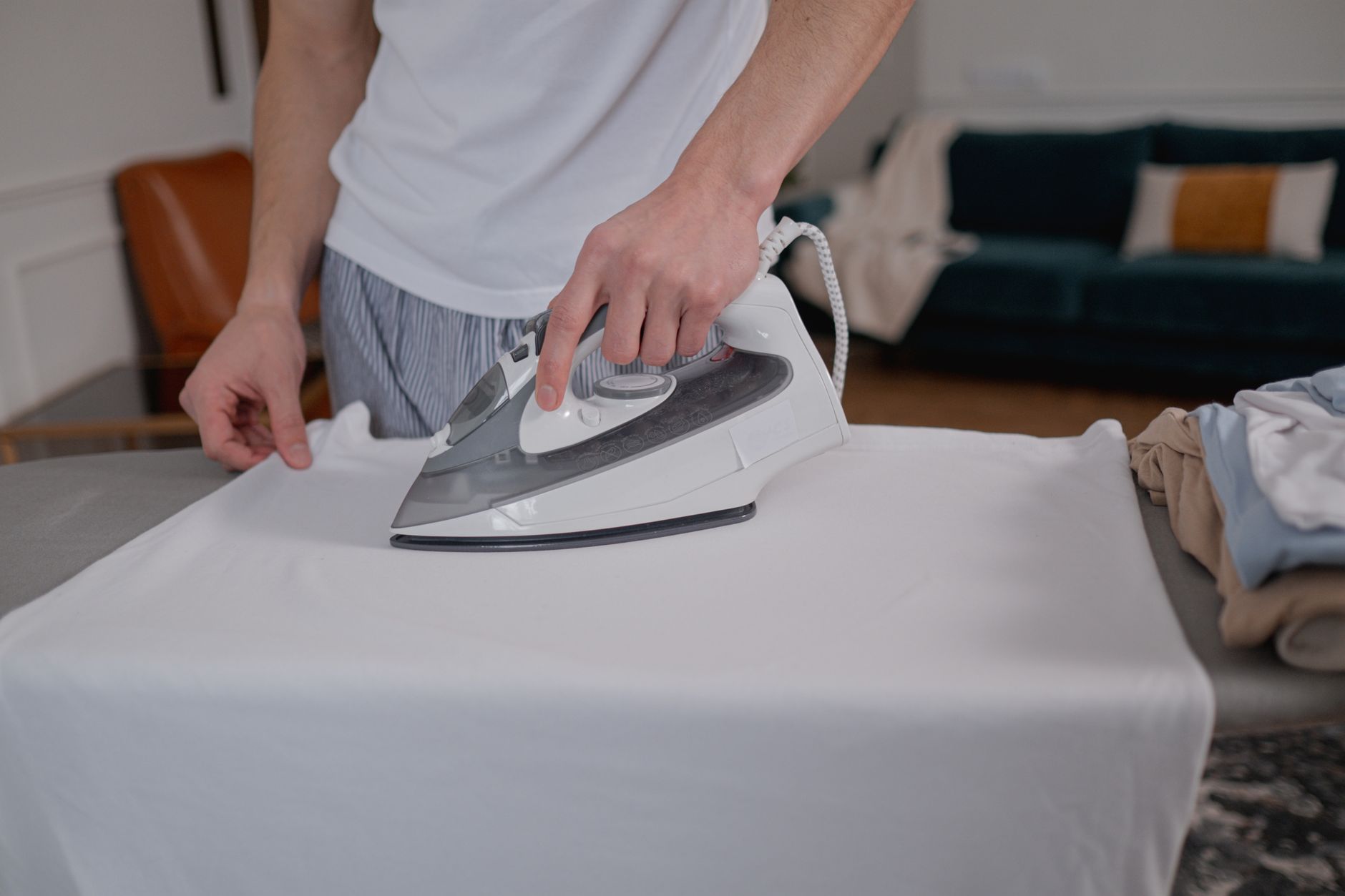
- Proper pressing and finishing. Professional-grade equipment creates polished results that home irons cannot match, especially for tailored winter coats.
If you’re looking for premium fabric care beyond basic cleaning, a quality wash and fold service paired with professional dry cleaning creates the ultimate routine for maintaining winter wardrobes.
Why Mandy’s Laundry Is Your Winter Fabric Care Solution
Mandy’s Laundry specializes in luxury fabric care, including expert handling of winter coats, wool, and cashmere. Here’s why homeowners trust us with their most valuable garments:
- Trained fabric specialists. Our team understands the chemistry of different fibers and the precise techniques required for each material type.
- Premium cleaning solvents. We use gentle, environmentally responsible cleaning solutions that effectively remove stains without damaging delicate fibers.
- Customized care plans. We assess each garment individually, considering fabric type, construction, and condition before determining the optimal cleaning approach.
- Convenient service options. Our laundry pickup and delivery service means you never have to transport heavy winter coats. We handle everything from your home.
- Transparent pricing. Check our our pricing to see exactly what you’ll pay for specialized winter coat and cashmere cleaning—no hidden fees or surprises.
Whether you need seasonal cleaning, stain removal on delicate fabrics, or ongoing care for your luxury winter wardrobe, Mandy’s Laundry provides expert service that extends garment life and maintains pristine appearance.
Conclusion: Invest in Your Wardrobe’s Longevity
Winter coat fabric care combines consistent home maintenance with professional expertise. By understanding the specific needs of wool, cashmere, and specialty winter fabrics, you protect your investment and enjoy beautiful, functional clothing for years to come.
The takeaway? Regular brushing, proper storage, immediate spot treatment, and strategic professional cleaning create the ideal routine. Don’t wait until permanent damage occurs—proactive care is always more effective than damage repair.
Ready to experience the best laundry service in your area? Book your first pickup today and let Mandy’s Laundry handle the rest. New customers get 20% off their first order!
Ready to experience the best laundry service in your area? Book your first pickup today and let Mandy’s Laundry handle the rest. New customers get 20% off their first order!