

Why Proper Seasonal Storage Matters for Your Wardrobe
Transitioning your wardrobe seasonally is more than just swapping out lightweight linens for cozy sweaters. How to prepare clothes for seasonal storage is a critical skill that protects your investment in quality clothing, extends garment life, and ensures your seasonal pieces emerge fresh and ready to wear. Improper storage can lead to stubborn stains, mold, mildew, musty odors, and irreversible fabric damage—turning beloved pieces into unwearable casualties.
Whether you’re storing winter coats until November or packing away summer dresses after September, the process begins long before the garments hit a box or closet. Let’s walk through a comprehensive guide to seasonal storage that will keep your clothes pristine year after year.
Step 1: Deep Clean Before Storage
The foundation of successful seasonal storage is starting with impeccably clean garments. Any residual dirt, sweat, oil, or stains left on fabric during storage can set permanently, attract insects, and create conditions for mold growth. This is where a professional wash and fold service becomes invaluable—the experts know exactly how to treat each fabric type.
Why Washing Is Non-Negotiable
Before you store anything, every single piece must be cleaned thoroughly. This includes:
- Visible stains: Treat immediately with appropriate stain removers before washing. Enzymes in detergent work better on fresh stains.
- Body oils and perspiration: Even if clothes don’t look dirty, invisible oils can oxidize and yellow fabric over months of storage.
- Underarm and collar areas: These absorb the most sweat and require extra attention during washing.
- Hem and seam areas: Dirt accumulates in these crevices and must be addressed before storage.
For everyday items, a standard wash in cool water with quality detergent works perfectly. However, delicate fabrics benefit significantly from professional handling.
Handling Delicates and Special Fabrics
Silk, wool, cashmere, lace, and beaded garments require specialized care that regular home washing simply cannot provide. If you’re storing premium pieces—whether it’s a silk blouse or a wool blazer—professional dry cleaning services ensure these items are cleaned with precision and care. Dry cleaning removes oils and stains that water alone cannot, and the process is gentler on delicate fibers.
Key fabrics that need professional attention before storage:
- Cashmere and merino wool
- Silk and satin
- Linen blends
- Items with beading, embroidery, or sequins
- Structured garments like tailored jackets
- Vintage or heirloom pieces
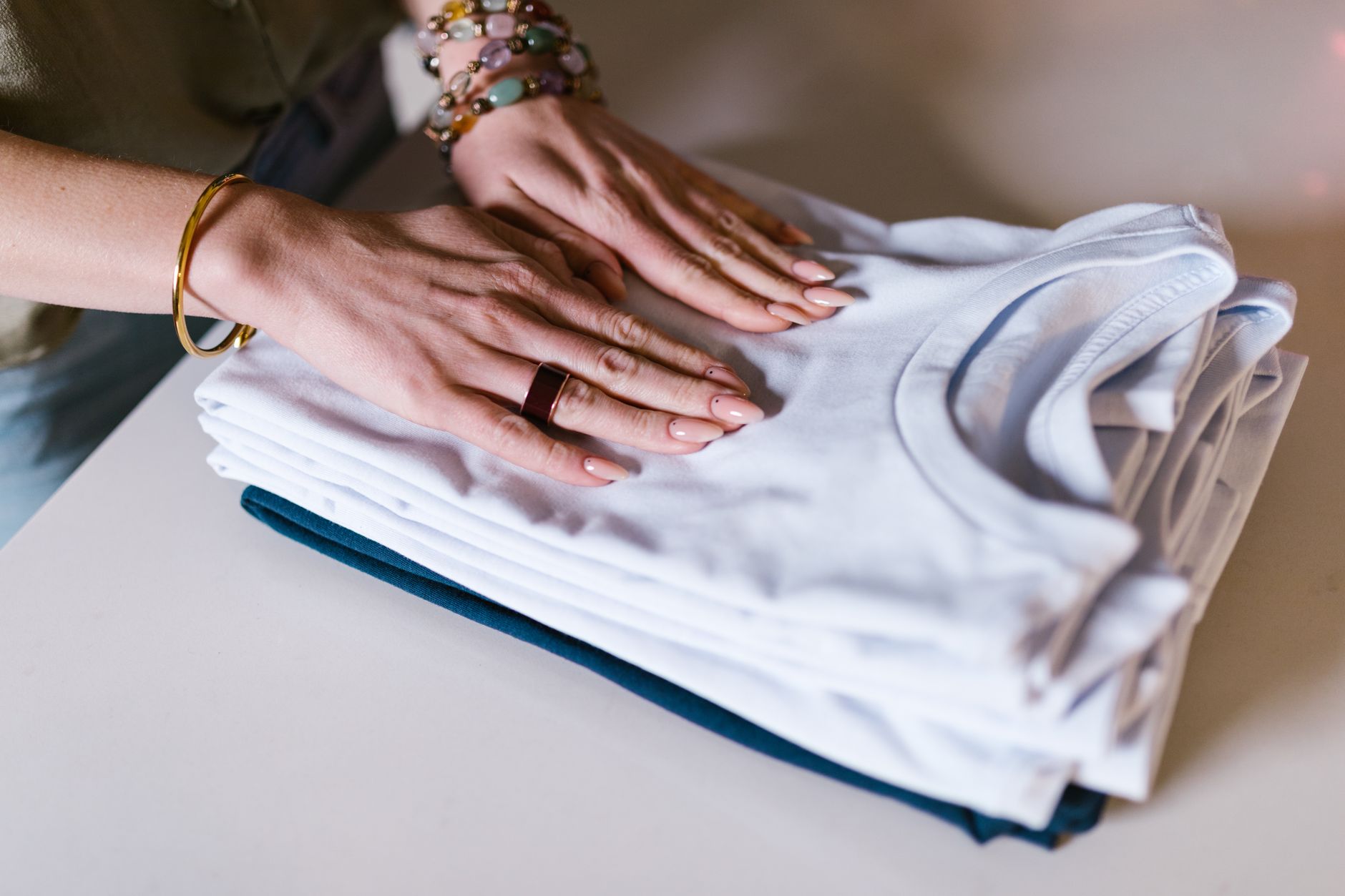
Step 2: Master the Art of Proper Folding
Once your clothes are clean and completely dry, proper folding prevents wrinkles, creases, and misshapen garments. This is especially important for items you’ll want to wear immediately when the season returns.
Techniques to Prevent Wrinkles and Creases
Not all fabrics should be folded the same way. Here’s a breakdown:
- Sweaters and knits: Fold in thirds lengthwise, then fold in half widthwise. This prevents shoulder dents and maintains the garment’s shape.
- Pants and jeans: Fold along the inseam, then fold in half at the knee. Stack neatly to avoid sharp creases that set permanently.
- Shirts and blouses: Fold in thirds lengthwise, then fold in thirds again. Button everything to maintain shape.
- Dresses: Hang delicate dresses or fold carefully if space is limited. Never fold structured dresses with heavy beading.
- Jackets and coats: These are best stored on hangers in garment bags to preserve their structure.
Pro tip: Avoid creasing along the same lines repeatedly. Alternate your fold lines season to season to prevent permanent creases from forming.
Organization Systems for Easy Retrieval
Organization matters as much as the folding technique itself. Create a system that allows you to identify and retrieve specific items without unpacking everything:
- Label by category: Group sweaters together, shirts together, and pants together.
- Color coordinate: This speeds up finding exactly what you want next season.
- Create an inventory list: Photograph your storage containers and keep a written list of contents. This saves time and prevents purchasing duplicates.
- Place frequently accessed items on top: If you might need something before full season transition, keep it accessible.
Step 3: Protection Strategies for Long-Term Storage
Even perfectly clean, well-folded clothes need protection from environmental threats during storage. This step determines whether your clothes emerge fresh or damaged.
Choosing the Right Storage Containers
The container you choose is critical. Avoid plastic storage bags that trap moisture and promote mold growth. Instead, use:
- Breathable fabric storage boxes: These allow air circulation while keeping dust out.
- Clear plastic bins with air holes: Drill small holes in the sides to prevent moisture buildup.
- Acid-free tissue paper: Wrap delicate items individually to prevent color transfer and provide cushioning.
- Cedar blocks or lavender sachets: Natural moth deterrents that won’t damage fabric like mothballs.
- Silica gel packets: These absorb excess moisture without creating a plastic trap.
Never use plastic garment bags for long-term storage. While they protect from dust temporarily, they trap moisture and can cause mildew, yellowing, and odors.
Climate Control and Moisture Management
Your storage environment matters tremendously. The ideal conditions are:
- Temperature: 60-70°F (consistent, without major fluctuations)
- Humidity: 30-50% (moisture above 60% promotes mold growth)
- Darkness: UV rays fade colors, so avoid direct sunlight
- Air circulation: Stagnant air promotes odors and mildew
If you don’t have ideal storage conditions at home, consider climate-controlled storage options. Many professional laundry pickup and delivery services also offer climate-controlled storage solutions for premium garments.
Common Storage Mistakes to Avoid
Even well-intentioned efforts can backfire. Here are costly mistakes that damage seasonal clothes:
- Storing damp or slightly damp clothing: This is the #1 cause of mold and mildew. Ensure everything is completely dry.
- Using plastic bags or non-breathable containers: These trap moisture and cause yellowing and odors.
- Storing clothes with loose buttons or open zippers: These can snag other garments and break further.
- Overcrowding containers: Tightly packed clothes develop permanent creases and crush delicate fabrics.
- Storing unwashed clothes: Stains become permanent, and odors intensify over months.
- Forgetting to check on storage occasionally: Environmental changes happen. Check every 2-3 months for signs of moisture or pests.
- Using regular mothballs: These are toxic and leave a chemical smell that’s hard to remove from fabrics.
How Mandy’s Laundry Simplifies Seasonal Preparation
If the seasonal storage process feels overwhelming, you’re not alone. Professional laundry services like Mandy’s Laundry take the guesswork out of seasonal transitions. Whether you need help preparing clothes for storage or retrieving them when the season changes, a quality laundry service near me can handle everything.
We offer:
- Expert cleaning of all fabric types before storage
- Professional folding and organization
- Consultation on optimal storage methods for your specific wardrobe
- Professional dry cleaning for delicates and special garments
- Convenient pricing for seasonal preparation packages
Our team understands that quality clothing is an investment. We treat every piece with the care it deserves, ensuring your seasonal wardrobe stays fresh, crisp, and ready to wear.
Conclusion: Store Smart, Dress Better
Learning how to prepare clothes for seasonal storage is an investment in the longevity and quality of your wardrobe. By following these steps—deep cleaning, proper folding, and strategic protection—you ensure that your clothes emerge from storage looking and feeling as good as the day you packed them away.
The key takeaway: start with cleanliness, prioritize proper folding, and create a protective environment. Whether you handle this yourself or partner with professionals who understand fabric care, the effort pays dividends in preserved clothing and stress-free seasonal transitions.
Don’t let seasonal storage anxiety ruin your wardrobe. Your clothes deserve expert care.
Ready to experience the best laundry service in your area? Book your first pickup today and let Mandy’s Laundry handle your seasonal preparation with expert care. New customers get 20% off their first order!