

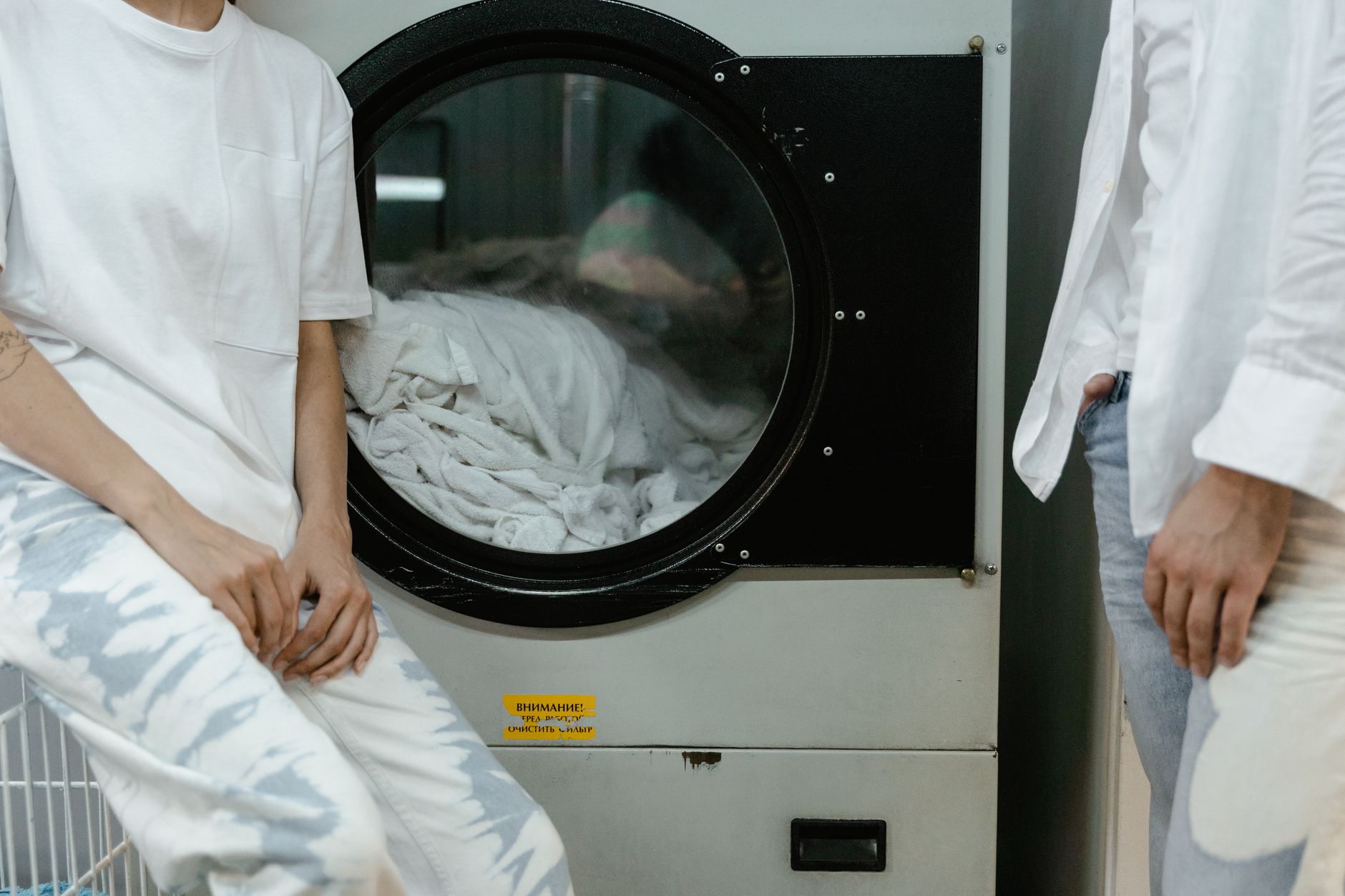
Why Athletic Wear Needs Special Care
Athletic wear represents a significant investment in your fitness journey and overall health. Unlike regular cotton clothing, gym clothes are engineered with advanced fabrics designed to wick moisture, provide compression, and regulate body temperature. However, these performance features make them more delicate and require specialized care to maintain their effectiveness. Learning how to care for athletic wear isn’t just about keeping your clothes looking new—it’s about preserving the technical properties that make them perform at their best during every workout.
When athletic wear is improperly laundered, the elastic fibers break down, moisture-wicking capabilities diminish, and colors fade prematurely. Many fitness enthusiasts unknowingly damage their expensive gym clothes through simple mistakes in washing, drying, and storage. This guide will walk you through best practices to extend your athletic wear’s lifespan while maintaining peak performance.
Understanding Your Gym Clothes: Fabric Composition Matters
The first step in proper athletic wear care is understanding what your garments are made of. Different fabrics require different approaches, and reading care labels is essential. Most modern gym clothes combine synthetic materials engineered to handle intense physical activity and sweat exposure.
Moisture-Wicking Synthetics
Polyester, nylon, and spandex are the backbone of modern athletic wear. These synthetic materials pull sweat away from your skin and allow it to evaporate quickly. They’re durable and resistant to shrinking, but they can trap odor-causing bacteria and product buildup if not cleaned properly. When caring for moisture-wicking gym clothes, avoid fabric softeners and bleach, which can coat the fibers and reduce their wicking properties.
Compression Fabrics
Compression wear contains high percentages of spandex or elastane, which provide the stretch and support you need. These elastic fibers are sensitive to heat and harsh chemicals. Proper care of compression athletic wear involves gentle washing methods and careful drying techniques to preserve the stretch.
Blended Materials
Many premium athletic pieces combine natural and synthetic fibers—like merino wool blended with polyester for temperature regulation. These blended materials require a balanced approach that respects both the natural and synthetic components.
Pre-Wash Steps: Preparation Is Key
Before throwing your gym clothes in the washing machine, take a few important preparation steps:
- Turn garments inside out: This reduces color fading and surface damage while protecting logos and prints.
- Check pockets and remove items: Athletic wear often has small pockets that trap coins, keys, or gym cards.
- Close zippers and velcro: Ensure all closures are fastened to prevent snagging and stretching during the wash cycle.
- Treat stains promptly: Fresh sweat stains respond better to treatment. Use a gentle enzymatic cleaner specifically designed for athletic fabrics.
- Separate colors: Sort your athletic wear by color to prevent dye transfer, especially with darker gym clothes.
- Don’t let sweat-soaked clothes sit: Moisture and bacteria breed odor. Wash your gym clothes within 24 hours of wearing them.
The Best Washing Practices for Athletic Gear
Proper washing is the foundation of effective athletic wear care. This is where many people make mistakes that damage their expensive gym clothes. If you’re uncertain about the best approach, a professional wash and fold service can handle the work while you focus on your fitness goals.
Water Temperature and Cycle Selection
Cold water is your best friend when washing athletic wear. Hot water breaks down elastic fibers and sets in sweat stains, so always use cold or lukewarm water (below 86°F). Choose a gentle or delicate cycle to minimize stress on the fibers. If your washing machine offers a sport or athletic wear setting, use it—these cycles are specifically designed to protect performance fabrics while effectively removing sweat and bacteria.
Avoid overloading your washing machine, as this reduces the cleaning effectiveness and puts extra strain on the fabric. Athletic wear needs space to move and rinse properly. A good rule of thumb is to fill the machine no more than three-quarters full.
Detergent Choices for Performance Fabrics
Using the right detergent is critical when learning how to care for athletic wear. Regular detergents often contain additives that coat synthetic fibers and reduce breathability. Instead, use:
- Specialized sports detergents designed for performance fabrics
- Free and clear detergents without dyes or perfumes
- Enzyme-based cleaners that break down sweat and bacteria
Never use fabric softener or dryer sheets on athletic wear. These products coat the fibers with a waxy residue that blocks moisture-wicking and traps odors. Similarly, skip the bleach entirely, as it damages elastic fibers and causes yellowing of white athletic wear over time.
Use less detergent than you normally would for regular laundry—a quarter to half the recommended amount is usually sufficient. Athletic wear fabrics are efficient, and excess detergent leaves residue that reduces performance and creates buildup over time.
Drying Techniques That Preserve Performance
How you dry your athletic wear is just as important as how you wash it. Most damage to gym clothes occurs during the drying process when heat breaks down elastic fibers.
Air drying is the optimal method for athletic wear. Lay flat or hang on a clothesline in indirect sunlight. If you must use a dryer, select the lowest heat setting available (ideally no-heat or air-only mode) and remove items immediately when the cycle ends. Never overdry athletic wear, as this causes shrinkage and permanent elastic damage.
For delicate pieces or anything with significant spandex content, always air dry. Set aside 2-3 hours for items to dry completely. While this takes longer than machine drying, it significantly extends your athletic wear’s lifespan and maintains its performance capabilities.
Avoid direct sunlight for extended periods, especially on dark colors, as UV rays can fade fabrics. A shaded outdoor area or well-ventilated indoor space is ideal.
Storage Tips to Maintain Shape and Elasticity
Once your athletic wear is clean and dry, proper storage ensures it stays in peak condition. Here’s how to maintain shape and elasticity:
- Fold rather than hang: Heavy hangers can stretch out the shoulders and neckline of athletic shirts and tank tops. Fold items neatly on shelves or in drawers.
- Store in a cool, dry place: Heat and humidity degrade elastic fibers. Keep athletic wear away from direct sunlight and moisture sources.
- Don’t stack too heavily: While folding is better than hanging, stacking compressed garments can still cause creasing and stress on the fibers.
- Use breathable storage: Cotton storage bags or open shelves are better than plastic containers, which trap moisture.
- Separate by activity: Keep your highest-performance pieces separate from everyday athletic wear to ensure you’re reaching for the right gear for each workout.
When to Seek Professional Help: Mandy’s Laundry Expertise
While home care is essential, sometimes your athletic wear deserves professional attention. This is especially true for premium or delicate performance pieces. At Mandy’s Laundry, we specialize in caring for high-performance fabrics and understand the technical requirements of modern athletic wear.
Our team uses specialized detergents, appropriate water temperatures, and expert drying techniques specifically designed for gym clothes and performance fabrics. If you’re located in our service area, our laundry pickup and delivery service makes it convenient to have your athletic wear professionally cared for. We handle everything from moisture-wicking shirts and compression gear to specialty technical fabrics.
Professional cleaning is particularly recommended for:
- High-end athletic brands (Nike, Lululemon, Under Armour)
- Compression wear and specialty performance pieces
- Items with stubborn odors that home washing hasn’t resolved
- Garments with technical coatings or water-resistant treatments
- Anything you’re uncertain about caring for properly
If you’re looking for a laundry service near me that truly understands athletic wear, Mandy’s Laundry has the expertise and equipment to care for your premium gym clothes. Check our pricing and dry cleaning services to see how we can help extend the life of your athletic wardrobe.
Conclusion: Invest in Proper Athletic Wear Care
Learning how to care for athletic wear is an investment in your fitness wardrobe and your money. By following these best practices—understanding your fabrics, using cold water and gentle cycles, choosing the right detergents, air drying when possible, and storing properly—you can significantly extend the lifespan and performance of your gym clothes.
Remember, athletic wear is engineered with precision to support your workouts and keep you comfortable. Proper care preserves these technical properties and keeps your gear performing at peak levels for years to come. Whether you’re maintaining your athletic wear at home or choosing to partner with professionals who specialize in fabric care, the key is being intentional about how you treat these valuable garments.
Your athletic wear carries you through every workout, every mile, and every personal victory. Give it the care it deserves.
Ready to experience the best laundry service in your area? Book your first pickup today and let Mandy’s Laundry handle the rest. We specialize in caring for athletic wear and performance fabrics with expert techniques. New customers get 20% off their first order!