

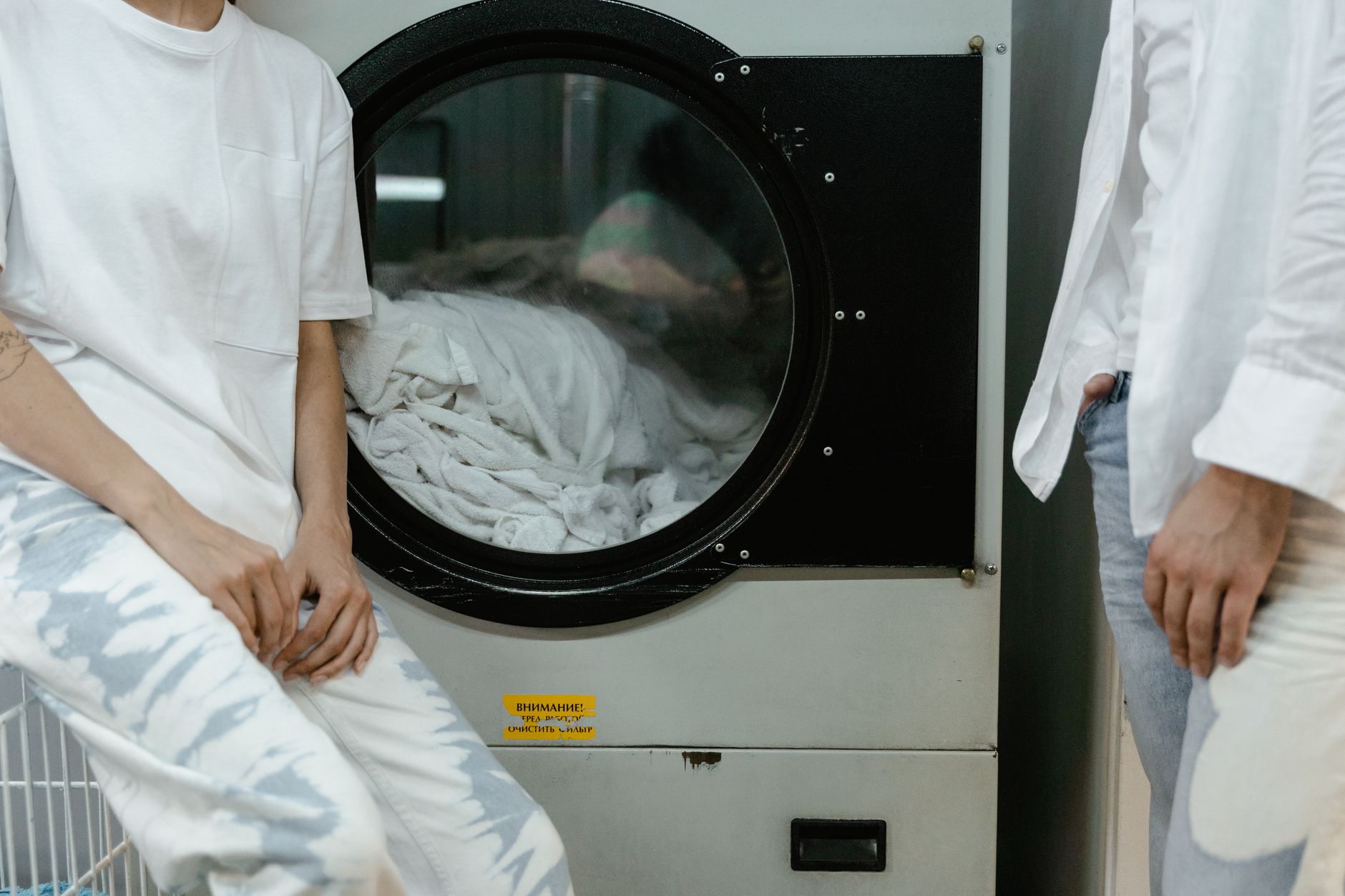
Understanding Your Fabrics: Linen, Cotton, and Synthetic Blends
Proper fabric care is essential for maintaining the quality, longevity, and appearance of your favorite clothes. Whether you’re dealing with delicate linen, everyday cotton, or modern synthetic blends, understanding each fabric’s unique characteristics is the first step toward preventing damage and extending garment life. The process of washing linen, cotton, and synthetic blends requires different approaches, water temperatures, and handling methods to ensure your wardrobe stays looking fresh and beautiful for years to come.
Many homeowners make costly mistakes when caring for their clothing without realizing the long-term damage they’re causing. From excessive heat to harsh chemicals and improper sorting, these errors can fade colors, shrink fabrics, and weaken fibers. This comprehensive guide will walk you through everything you need to know about caring for these three major fabric categories.
What Makes Each Fabric Unique
Linen is a natural fiber derived from flax plants, known for its strength, breathability, and elegant drape. Linen is durable but requires gentle handling to avoid wrinkles and creasing.
Cotton is the most versatile natural fiber, comfortable, breathable, and widely used in everyday clothing. Cotton can handle regular washing but benefits from proper temperature control to prevent shrinking.
Synthetic blends combine natural fibers with polyester, nylon, or acrylic to create fabrics that resist wrinkles, dry quickly, and maintain shape. These blends require cooler water and gentler agitation to prevent pilling and fiber degradation.
Essential Pre-Wash Steps for Fabric Protection
Before you even think about tossing clothes into the washing machine, preparation is crucial. Taking time to properly prepare your laundry prevents common issues like color bleeding, shrinkage, and fabric damage. These foundational steps apply whether you’re handling a single delicate garment or a full load.
Sorting and Color Separation
Always separate your laundry into at least three categories: whites, darks, and colors. This prevents dye transfer that can permanently stain lighter garments. Within each group, further separate by fabric type when possible. New garments, especially dark-colored items, should be washed separately for the first wash, as they’re most likely to release excess dye.
Pay special attention to red and burgundy items, which are notorious for bleeding. Wash these items alone or with similar dark colors, and use cold water to minimize dye release. If you’re unsure about colorfastness, perform a simple test by dampening a small, hidden area of the fabric and pressing it against a white cloth.
Checking Care Labels and Testing for Colorfastness
Every garment comes with a care label for a reason. These labels provide specific instructions based on the fabric composition and construction. A label indicating “cold water wash” or “gentle cycle” shouldn’t be ignored, as following these guidelines protects your investment.
For garments without clear labels or those you’re uncertain about, always perform a colorfastness test. Dampen a cotton ball with your chosen detergent and the water temperature you plan to use, then rub it on an inconspicuous area of the fabric. If color transfers to the cotton, wash separately in cold water. This simple step prevents disasters before they happen.
The Complete Guide to Washing Linen, Cotton, and Synthetic Blends
Now that you’ve prepared your laundry, it’s time to dive into the specifics of washing linen, cotton, and synthetic blends with confidence and proper technique.
Washing Linen Fabrics Properly
Linen is one of the strongest natural fibers, but it requires a gentle touch to maintain its characteristics. Use cool to lukewarm water (60-70°F) for washing linen garments, as hot water can damage the fibers and set wrinkles permanently.
Select a gentle or delicate washing cycle and use a mild, pH-neutral detergent designed for natural fibers. Avoid bleach, which can weaken linen fibers and cause yellowing over time. If you need to remove tough stains, pre-treat them with a mixture of equal parts white vinegar and water, allowing it to sit for 15-30 minutes before washing.
Never overload your washing machine when cleaning linen. Garments need space to move freely, which reduces friction and minimizes wrinkle formation. If possible, remove linen items from the washer while still slightly damp and hang them to dry, which helps them retain their natural texture and prevents permanent creasing.
Caring for Cotton Garments
Cotton is forgiving and can tolerate regular machine washing, but a few best practices will keep your cotton clothes looking newer longer. Wash most cotton items in warm water (80-100°F) using a standard detergent. For delicate cotton items like t-shirt graphic prints or vintage pieces, opt for cool water and a gentle cycle instead.
Turn printed or embroidered cotton garments inside out before washing to protect designs from fading and friction. This simple step significantly extends the life of decorative elements on your favorite shirts.
Avoid washing heavily soiled cotton with lightly soiled items, as the extra agitation needed for tough stains can be unnecessary for cleaner garments. Also, don’t let wet cotton sit in the washing machine for extended periods, as this can cause mildew and mold growth that’s difficult to remove.
Handling Synthetic Blend Materials
Synthetic blends are engineered to be low-maintenance, but they still benefit from thoughtful care. Always use cold water for synthetic blends, as hot water can damage synthetic fibers and cause pilling—those annoying little fabric balls that form on the surface.
Wash synthetic blends using a gentle or normal cycle with regular detergent, but avoid fabric softeners. While fabric softeners may seem beneficial, they leave a coating that reduces breathability and can actually accelerate pilling on synthetic fibers. Instead, use wool dryer balls or tennis balls in the dryer to naturally soften fabrics.
Turn synthetic blend garments inside out, especially those prone to pilling like fleece or knit materials. This reduces surface friction during the wash cycle. Additionally, zip up zippers and close any buttons before washing to prevent snagging and damage to adjacent garments.
Drying and Post-Wash Care Techniques
How you dry your clothes is just as important as how you wash them. Different fabrics require different drying methods to prevent shrinkage, wrinkles, and damage.
Linen should ideally be air-dried by hanging or laying flat. If you must use a dryer, use the lowest heat setting and remove items immediately when the cycle ends. Hanging damp linen and smoothing it gently will naturally reduce wrinkles as it dries.
Cotton can be machine-dried on medium heat or air-dried depending on the garment type. Delicate cotton items benefit from air-drying to prevent shrinkage. Remove cotton items from the dryer while slightly damp and fold or hang them to prevent wrinkles from setting permanently.
Synthetic blends should always be dried on low heat or air-dried. High heat damages synthetic fibers and accelerates pilling. Lay flat or hang synthetic blends to dry whenever possible, as this extends their lifespan significantly.
Common Mistakes to Avoid When Washing Fabrics
Even well-intentioned laundry mistakes can damage your clothes. Here are the most common errors to avoid:
- Overloading the washer—Clothes need space to move and rinse properly. Overloading reduces cleaning effectiveness and increases wrinkles and damage.
- Using too much detergent—Excess detergent leaves residue on fabrics, making them stiff and dull. Follow the manufacturer’s recommended amount based on load size.
- Ignoring care labels—These labels exist for good reason. Ignoring them is the fastest way to ruin expensive garments.
- Mixing incompatible fabrics—Washing delicate silks with heavy denim creates problems. Separate by fabric type and care requirements.
- Using hot water indiscriminately—Hot water fades colors, shrinks fabrics, and damages synthetic fibers. Reserve hot water for heavily soiled whites only.
- Leaving items in the washer too long—Damp clothes left overnight develop mildew and musty odors that are hard to remove.
Why Professional Care Matters: Let Mandy’s Laundry Help
While following these guidelines helps significantly, sometimes your wardrobe deserves expert attention. Delicate garments, valuable pieces, and items with special care requirements often benefit from professional handling. If you’re looking for a laundry service near me that understands the nuances of washing linen, cotton, and synthetic blends, Mandy’s Laundry is your answer.
Our trained professionals have years of experience caring for every fabric type and blend imaginable. We use commercial-grade equipment and premium detergents specifically formulated to protect delicate fibers while removing dirt and stains effectively. For items that require specialized attention, our dry cleaning near you services ensure your most precious garments receive expert care.
Don’t have time to handle laundry yourself? Our convenient laundry pickup and delivery service makes caring for your clothes effortless. We come to you, pick up your laundry, provide expert care, and return it cleaned and pressed to perfection. Plus, if you’re ever unsure about which service is right for your garments, our wash and fold service handles everything from delicate silks to sturdy denims with equal care and attention to detail.
Check out our pricing to see how affordable professional laundry care truly is. Many customers are surprised to learn that professional laundry costs less than they expected, especially when you factor in the extended life of your wardrobe and the time you save.
Conclusion: Master Your Fabric Care Today
Understanding how to properly care for washing linen, cotton, and synthetic blends empowers you to maintain your wardrobe’s quality and appearance for years. By following the guidelines in this guide—sorting carefully, checking care labels, using appropriate water temperatures, and drying properly—you’ll prevent the common damage that shortens garment life.
Remember that each fabric type has unique needs. Linen requires cool water and gentle handling, cotton benefits from warm water and careful attention to delicates, and synthetic blends demand cold water and low heat throughout the process. When in doubt, err on the side of gentleness.
However, for your most valued pieces and when life gets busy, professional laundry care is always an option. Ready to experience the best in fabric care and convenience? Let Mandy’s Laundry handle your laundry needs today.
Ready to experience the best laundry service in your area? Book your first pickup today and let Mandy’s Laundry handle the rest. New customers get 20% off their first order!