

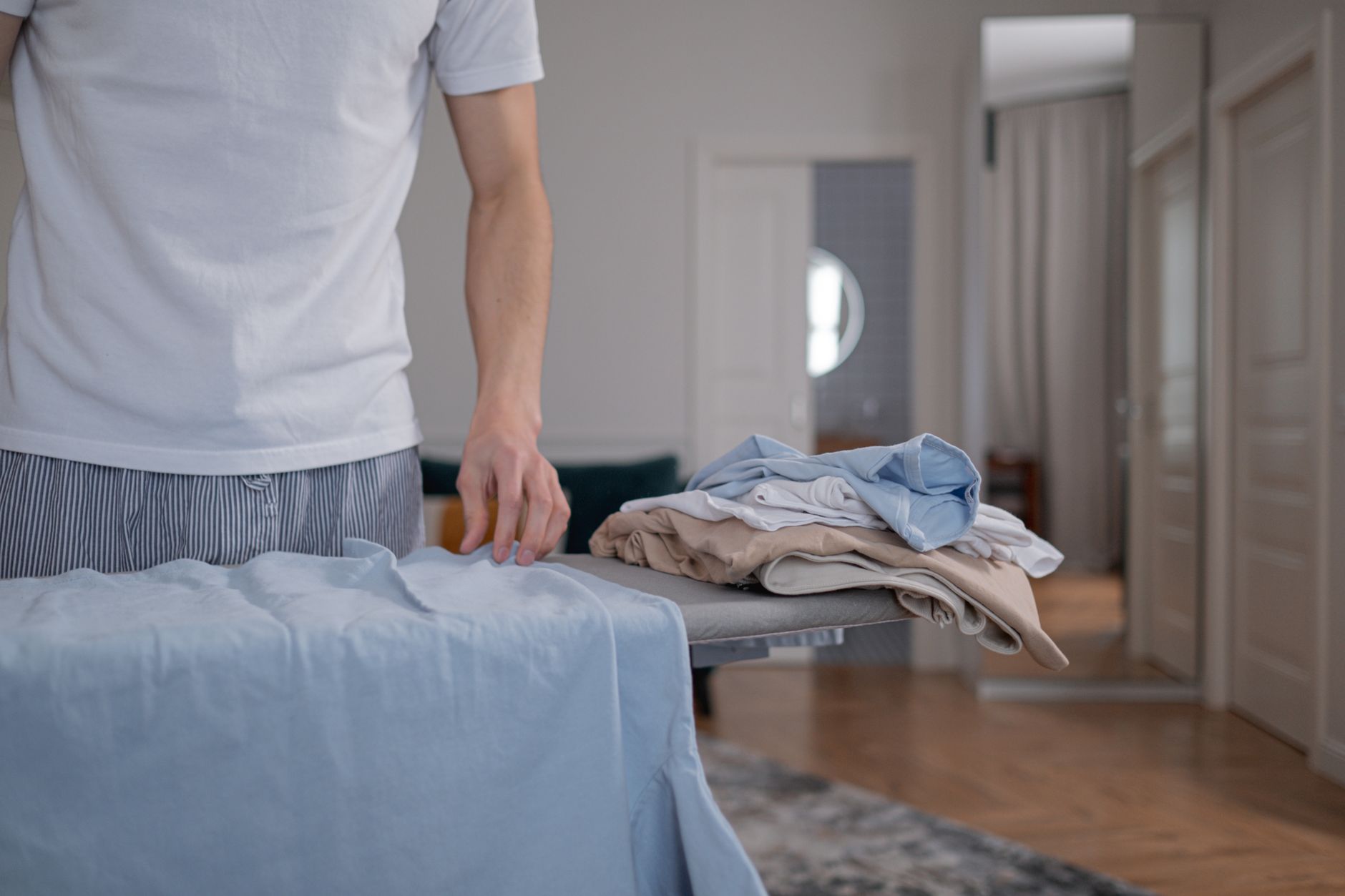
Understanding Dry Cleaning vs Home Laundering
Your wardrobe is an investment. Every quality piece—from that silk blouse to your favorite wool blazer—deserves proper care to maintain its appearance, texture, and longevity. But with so many fabric types and care options available, how do you know whether to dry clean or wash at home? Understanding the difference between dry cleaning vs home laundering is essential for protecting your clothes and extending their lifespan.
The choice between professional dry cleaning and home laundering isn’t just about convenience or cost. It’s about preserving the integrity of your fabrics. Different materials respond differently to water, heat, and mechanical agitation. What’s safe for cotton may ruin silk. What extends the life of denim could damage cashmere. In this guide, we’ll walk you through exactly when to use each method and why.
How Dry Cleaning Works: The Science Behind Professional Care
Many people assume dry cleaning means clothes are simply not washed with water. That’s partially true, but the process is far more sophisticated. Professional dry cleaning uses specialized solvents and equipment designed to remove soil, stains, and odors while protecting even the most delicate fabrics.
The Dry Cleaning Process Explained
During dry cleaning, your garments are placed in large industrial machines that use non-aqueous (water-free) solvents—typically perchloroethylene or newer eco-friendly alternatives—to dissolve oils, dirt, and stains. The solvent is gentler on fibers than water and detergent because it doesn’t cause the same swelling and shrinkage that occurs with water-based laundering.
After the cleaning cycle, garments are carefully inspected, pressed, and finished to restore their original shape and appearance. This meticulous approach is why professional dry cleaning provides superior results for high-value or delicate pieces. When you use a dry cleaning service like Mandy’s Laundry, you’re trusting trained professionals who understand fiber chemistry and garment construction.
Why Water-Based Laundering Falls Short for Delicate Items
Water is a universal solvent, which sounds beneficial, but it’s actually problematic for certain fabrics. Water causes fibers to swell, which can lead to:
- Shrinkage: Particularly in wool, silk, and some blends
- Color bleeding: Dyes can release and transfer between garments
- Pilling and fuzziness: Mechanical agitation damages delicate fiber surfaces
- Loss of shape: Structured garments become limp and misshapen
- Texture changes: Silk becomes stiff, wool becomes rough
Home washing machines, even on delicate cycles, use agitation and high heat in the drying phase. This combination is simply too harsh for fabrics with special finishes or blends that require gentler treatment.
When to Dry Clean Your Clothes
Knowing when to dry clean is the first step toward extending your clothing’s lifespan. Professional dry cleaning vs home laundering becomes the clear choice in these situations:
Fabrics That Require Professional Dry Cleaning
Certain natural and synthetic fabrics are too delicate or sensitive for home washing:
- Silk and silk blends: Prone to color loss, water staining, and shrinkage
- Wool and cashmere: Become stiff, shrink, or pill when exposed to water and agitation
- Linen blends: Often blended with delicate fibers requiring professional care
- Acetate and rayon: Extremely water-sensitive and prone to damage
- Specialty fabrics: Velvet, satin, brocade, and jacquard require solvent cleaning
- Embellished garments: Beads, sequins, and embroidery can be damaged by water and agitation
Garment Types Best Suited for Dry Cleaning
Beyond fabric type, certain garments should almost always be professionally dry cleaned:
- Business attire: Suits, dress pants, and blazers maintain shape and crease with professional pressing
- Evening wear: Formal dresses, gowns, and tuxedos are typically made from delicate fabrics
- Outerwear: Winter coats, leather jackets, and suede require specialized care
- Designer and high-value pieces: Protect your investment with professional handling
- Items with stains or odors: Professional stain removal prevents permanent damage
- Vintage or heirloom garments: These irreplaceable pieces deserve expert care
If you’re unsure whether an item needs professional attention, check the care label. Any label recommending dry cleaning should always be followed to avoid voiding any warranty or guarantee.
When Home Laundering Is the Right Choice
Not everything needs professional care. Home laundering is cost-effective and perfectly adequate for everyday items when done properly. Understanding when home laundering is appropriate helps you make economical decisions without sacrificing garment quality.
Durable Fabrics Safe for Machine Washing
These fabrics are naturally durable and forgiving:
- 100% cotton: T-shirts, jeans, and everyday cotton pieces
- Cotton blends: Items with at least 50% cotton can typically handle machine washing
- Polyester: Synthetic fiber that resists shrinkage and color loss
- Nylon: Durable and quick-drying, ideal for activewear and casual clothing
- Denim: Actually improves with home washing when done properly
- Sturdy linens: 100% linen towels and bedding benefit from machine washing
Best Practices for Home Laundering
When washing at home, follow these guidelines to extend the life of your garments:
- Always read care labels: They provide crucial information about temperature and cycle recommendations
- Sort by color and fabric weight: Prevent color bleeding and uneven washing
- Turn garments inside out: Reduces fading and protects surface details
- Use cold or warm water: Hot water accelerates fading and shrinkage
- Choose gentle or normal cycles: Avoid heavy-duty cycles for regular items
- Don’t overload: Clothes need space to move freely
- Air dry when possible: Dryer heat damages fibers and contributes to shrinkage
- Remove promptly: Letting wet clothes sit encourages mildew and odors
For items that fall between delicate and durable, consider a wash and fold service as a middle ground. These services handle everyday items with more care than home washing, using appropriate cycles and drying methods to preserve fabric integrity.
How to Read Care Labels and Make Smart Decisions
Garment care labels exist for a reason. They’re based on fiber composition, construction, and finish—all factors that determine how a piece should be cleaned. Learning to read them accurately removes the guesswork from your laundry decisions.
Look for these key symbols and instructions:
- A circle with one letter inside = dry cleaning required (P or F indicates solvent type)
- A washtub symbol = machine washing appropriate
- A washtub with a line underneath = delicate cycle recommended
- A washtub with two lines = hand wash only
- Temperature numbers (30°C, 40°C, etc.) = maximum safe water temperature
- An X through any symbol = do not use this method
When a label says “dry clean,” that’s not a suggestion—it’s a requirement based on fabric science. Ignoring care label instructions is the quickest way to ruin a garment. If you’re ever in doubt about caring for a special piece, the safer choice is professional dry cleaning.
Why Mandy’s Laundry Is Your Partner in Fabric Care
Understanding when to dry clean versus when to launder at home is valuable knowledge, but sometimes you need expert help. Whether you need laundry pickup and delivery for convenience or specialized laundry service near me for your delicate garments, Mandy’s Laundry provides professional-grade care backed by years of experience.
Our team understands fabric composition, proper stain treatment, and restoration techniques that keep your wardrobe looking pristine. We use eco-friendly solvents and modern equipment to deliver superior results without compromising environmental responsibility. For busy professionals, active families, and anyone who wants their clothes to last, Mandy’s Laundry offers the expertise and reliability that home laundering simply cannot match.
Check out our pricing options to find a solution that fits your budget and lifestyle. From everyday clothing to special occasion wear, we’re here to help you extend the life of every piece in your closet.
Conclusion: Protecting Your Wardrobe Investment
The choice between dry cleaning vs home laundering isn’t complicated once you understand the principles behind each method. Delicate, high-value, and structurally complex garments deserve professional dry cleaning. Everyday, durable fabrics can be safely washed at home with proper technique. By respecting care labels and matching the cleaning method to your garment’s needs, you’ll dramatically extend your clothing’s lifespan and maintain a wardrobe that looks and feels great.
Your clothes are part of how you present yourself to the world. Investing a little time in learning proper care—and sometimes investing in professional services—pays dividends in garment longevity, appearance, and overall satisfaction with your wardrobe.
Ready to experience the best laundry service in your area? Book your first pickup today and let Mandy’s Laundry handle the rest. New customers get 20% off their first order!